Knowing the speed limit, and being able to work it out when there is no sign, is one of the most important skills you will learn. It matters on your driving test and even more once you have passed, because new drivers can lose their licence with just 6 penalty points.
National limits for a car
In England, unless signs show a different limit.
National Speed Limits for Cars
For cars in England, the national speed limits are 30mph in built up areas, 60mph on single carriageways, and 70mph on dual carriageways and motorways. Always drive at a speed that suits the conditions.
| Road type | Cars and motorcycles | Cars towing a caravan or trailer |
|---|---|---|
| Built up areas (England) | 30mph | 30mph |
| Single carriageways | 60mph | 50mph |
| Dual carriageways | 70mph | 60mph |
| Motorways | 70mph | 60mph |
Car derived vans follow the same limits as cars. Other vans and goods vehicles up to 7.5 tonnes have lower limits: 50mph on single carriageways and 60mph on dual carriageways, with 70mph on motorways. In Wales, the default limit in built up areas has been 20mph since Sunday 17 September 2023, which is worth knowing if you drive over the border after you pass.
How to Tell What the Limit Is
Signs are not always where you expect them. These are the clues examiners expect you to use.
Signs and repeaters
A red circle with a number shows the maximum speed. Smaller repeater signs remind you of the limit along the road. On 20mph roads, you may also see the limit painted on the road surface.
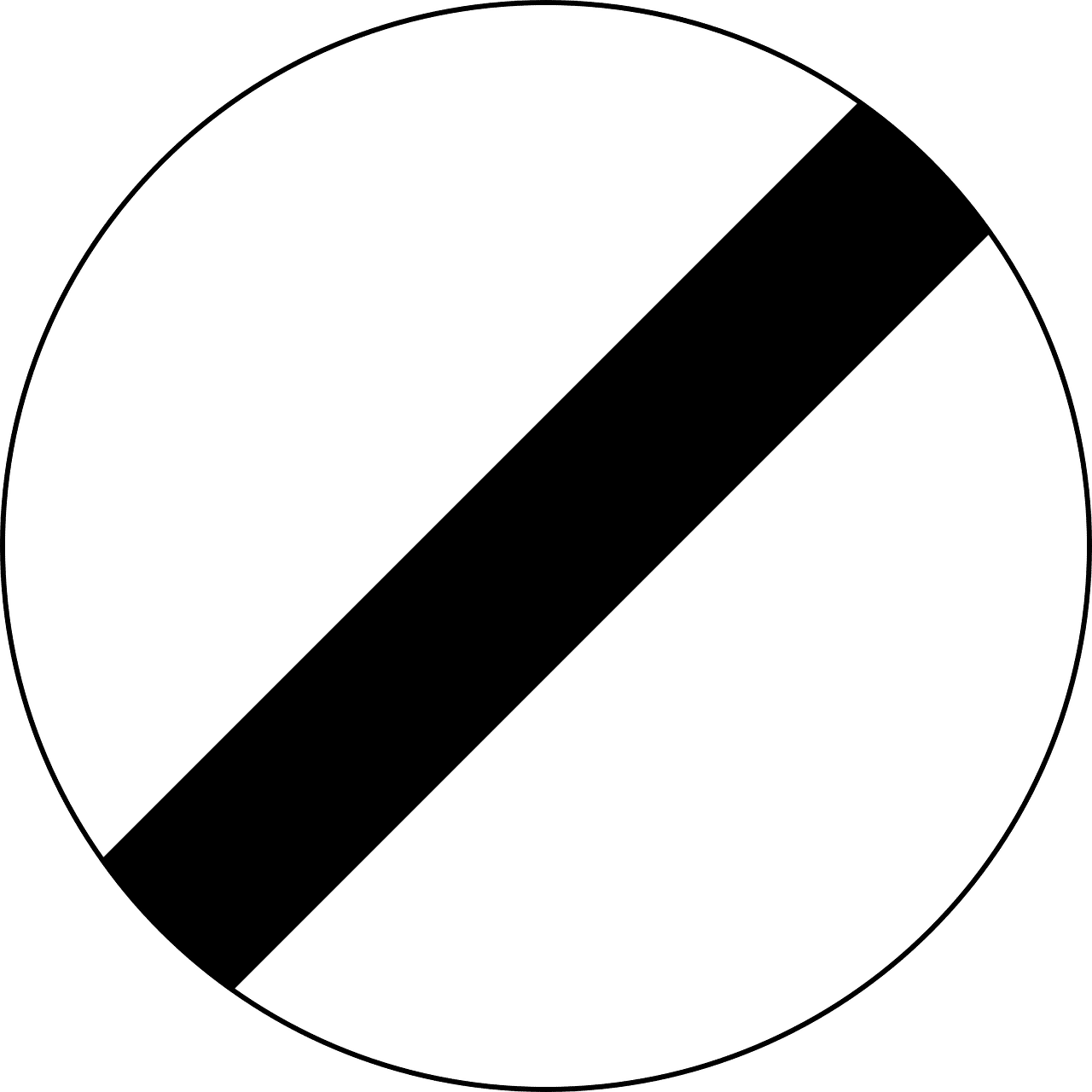
The national speed limit sign
A white circle with a black diagonal stripe means the national limit applies. For a car, that means 60mph on a single carriageway and 70mph on a dual carriageway or motorway. It does not mean 60mph everywhere.
Street lights
If a road has street lights and no signs showing otherwise, the limit is usually 30mph in England. Many roads with street lights around Oxford have signed 20mph limits, so keep checking for repeaters.
Variable motorway limits
On some motorways, overhead signs show a limit inside a red circle that changes with traffic and conditions. These limits are legally enforceable, just like fixed signs.
Speed Around Oxford and on Your Test
Limits change quickly around the city, and examiners look at both sides of speed control.
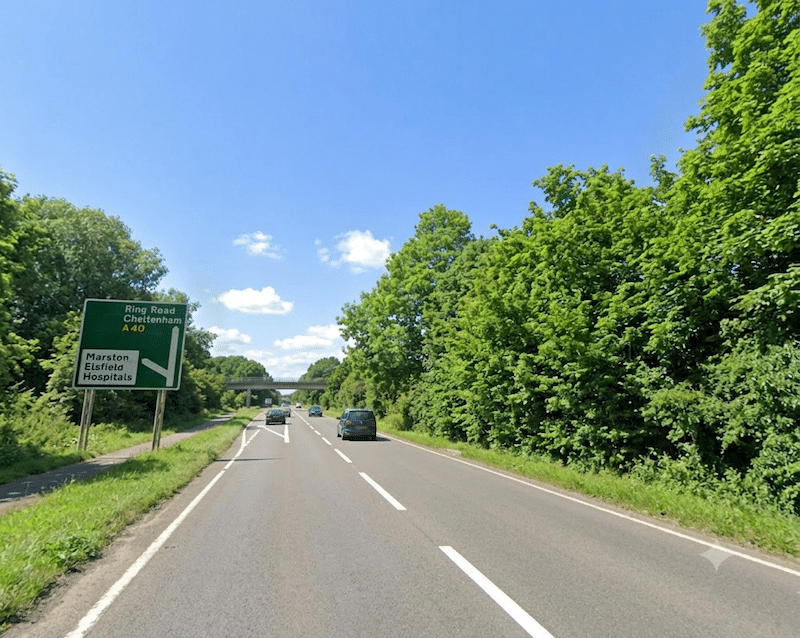
- ASpeed limits around OxfordMost roads around Oxford have limits of 20mph or 30mph, with 20mph on many residential streets and central roads. The ring road and A34 have higher limits in places. Changes often happen close to junctions and roundabouts, so plan your speed early and look for the signs rather than relying on your sat nav, which can be out of date.
- BSpeed on your driving testExaminers look for two things: that you never exceed the limit, and that you make reasonable progress when it is safe to do so. Driving over the limit can lead to a serious fault. Driving well below the limit on a clear road for no reason can also be marked, because it shows hesitation. See why driving too slowly can cost you your test.
- CLearner drivers and motorwaysSince Monday 4 June 2018, learner drivers in England, Scotland and Wales have been allowed to take motorway lessons, as long as they are with an approved driving instructor in a car fitted with dual controls. Learners still cannot drive on a motorway with a family member or friend.
Penalties for speeding
The minimum penalty for speeding is a £100 fine and 3 penalty points. More serious cases can go to court, with higher fines, more points or a driving ban.
- Most drivers lose their licence if they reach 12 points within three years
- New drivers lose their licence with 6 points within two years of passing, so two speeding offences could be enough
- There is no guaranteed tolerance above the limit, and you can be prosecuted for driving even slightly over it
UK Speed Limits: Your Questions Answered
What is the national speed limit for a car?
Are all dual carriageways 70mph?
Is there a minimum speed on motorways?
Can learner drivers drive on the motorway?
How many points before a new driver loses their licence?
Practise speed judgement with an Oxford instructor
Judging speed and reading limits becomes second nature with good practice on varied roads.