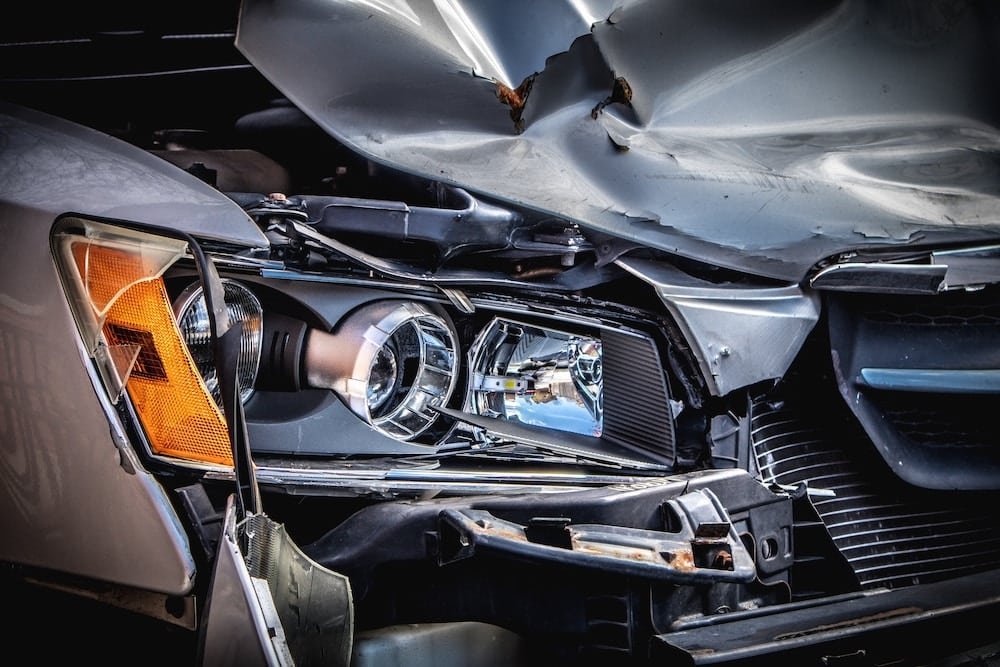
Nobody expects to be involved in a collision, and when it happens the shock can make it hard to think clearly. Knowing the steps in advance helps you stay safe, protect other people and meet your legal duties. This guide is written for learners and new drivers in Oxford, and is based on the Highway Code and GOV.UK guidance.
Your legal duties at a glance
If a collision causes damage or injury to another person, vehicle, animal or property.
Seven Steps After a Collision
If you are involved in a collision that causes damage or injury to another person, vehicle, animal or property, the law says you must stop. You must give your name, address and vehicle registration to anyone with reasonable grounds to ask for them.
Stop safely and warn other traffic
Stopping is a legal requirement, even for a minor bump. Stop in the safest place you can, switch off the engine and turn on your hazard warning lights. Do not leave the scene, even if the damage looks small or the other driver says it does not matter.
Check for injuries and call 999 if needed
Call 999 if:
- anyone is injured
- the road is blocked or the vehicles are a danger to other traffic
- you think the other driver has been drinking, has no insurance or is driving dangerously
- the other driver leaves without giving their details
Move uninjured people to a safe place away from traffic. Do not move anyone who is injured unless they are in immediate danger.
Exchange details
You must give your name and address, the vehicle owner's name and address (if it is not your car) and the registration number. It is also sensible to collect:
- the other driver's name, address and phone number
- their insurance company and policy number
- the registration, make, model and colour of each vehicle
- names and contact details of any witnesses
Record what happened
Take photos of the vehicles, the damage, their positions, road markings, signs and the weather. Note the time, the exact location and what each person said. Save any dashcam footage before it is overwritten. Insurers usually advise you not to admit fault or apologise at the scene. Stick to the facts.
Report to the police when required
Report the collision as soon as reasonably practicable, and within 24 hours at the latest, in the situations listed below. If someone is injured, you must also show your insurance certificate at the scene or at a police station within seven days.
Tell your insurer
Contact your insurer as soon as possible, even if you do not plan to make a claim. Most policies require you to tell them about any incident, and not doing so could affect your cover.
See a doctor if you feel unwell later
Some injuries, such as whiplash, do not show symptoms straight away. If you feel pain or stiffness in the hours or days afterwards, see your GP or call NHS 111. A medical record also helps if you need to make a claim.
When You Must Report to the Police
You must report the collision to the police as soon as reasonably practicable, and within 24 hours at the latest, in any of these situations.
- AYou could not give your details at the sceneFor example because the other driver left, or you hit a parked car and could not find the owner. Leaving a note alone does not meet the legal requirement.
- BSomeone was injured and you could not show insuranceYou must report it within 24 hours and show your insurance certificate at a police station within seven days.
- CYou hit certain animals and could not find the ownerThis includes a dog, horse, cow, pig, goat or sheep. Failing to stop or failing to report are criminal offences that can lead to penalty points, a fine or a driving ban. For new drivers, 6 points within two years of passing is enough to lose your licence.
What if it happens during a driving lesson?
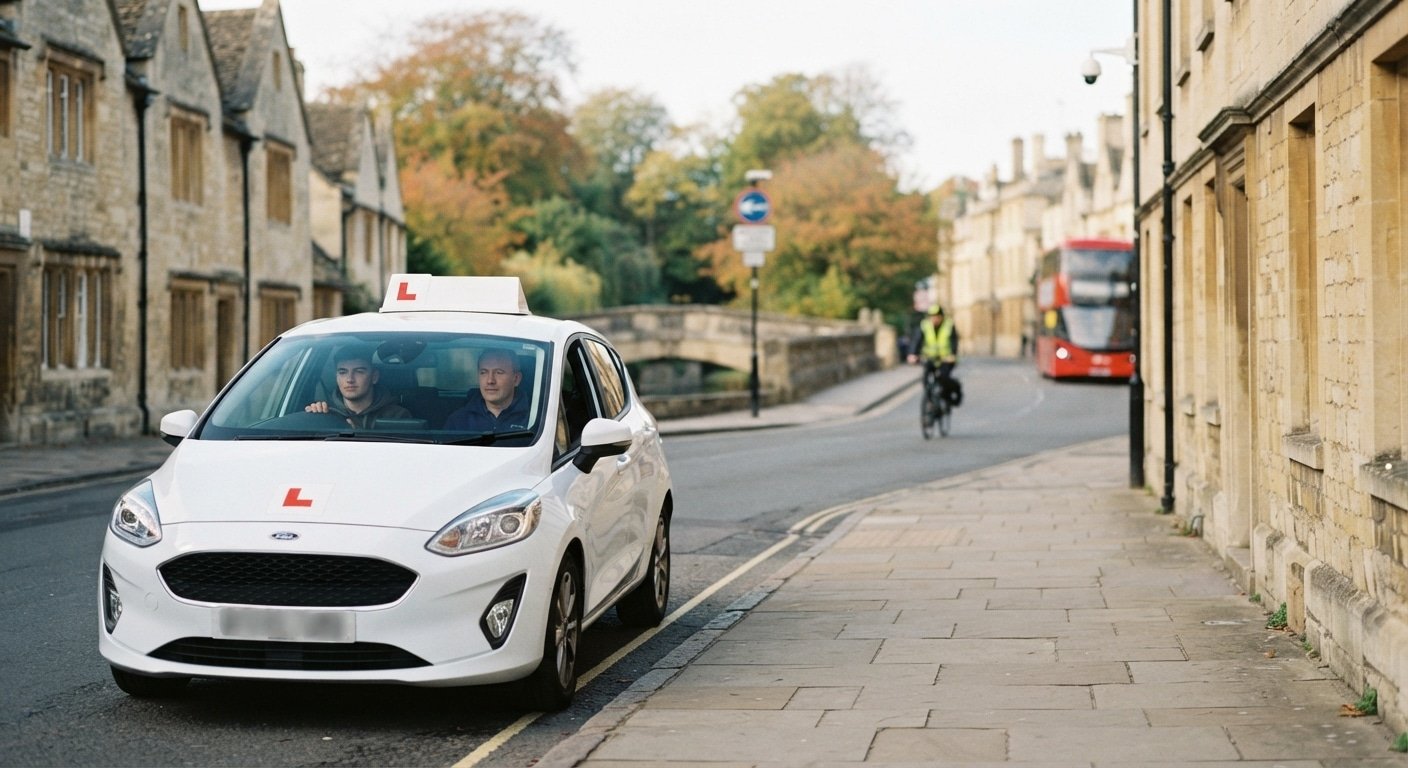
During a lesson, your instructor is responsible for the car and will take charge of the situation, including exchanging details and dealing with the insurer. Your job is to stop safely and follow their instructions.
If you are practising in a private car with a family member or friend, the same legal duties apply to you as the driver.
- Make sure you are properly insured on that car before you practise
- Your supervisor must be at least 21 years old
- They must have held a full licence for that type of car for at least three years
After a Collision: Your Questions Answered
Do I have to report a minor accident to the police?
What should I do if I hit a parked car?
Should I say sorry at the scene?
Does a collision affect my driving test?
Build safe habits from the start
Good observation, safe following distances and calm decision making prevent most collisions. Our instructors build these habits on real Oxford roads from your first lesson, and a refresher lesson can help if a collision has knocked your confidence.