Every driver was a learner once, yet learners and their instructors regularly face aggressive overtakes, tailgating and horns. This guide is for both sides: how other drivers can help learners stay safe, and how learners can stay calm when someone behind is impatient.
“
The L plates are not a sign that someone is in your way. They are a sign that someone is learning to drive safely, and you can help.
Oxon Driving Tuitions
How to Drive Around Learners
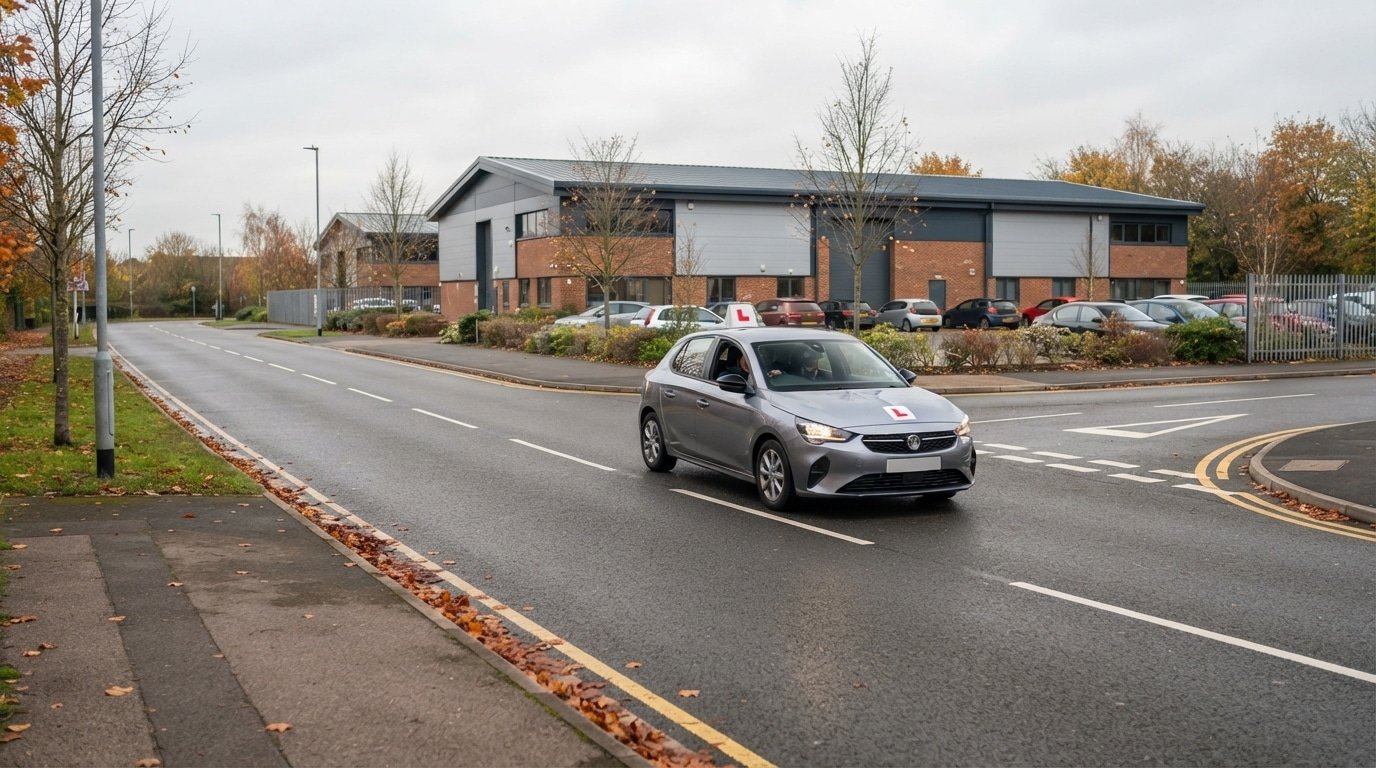
Learner drivers must display L plates on the front and rear of the car. They may take a little longer at junctions, stall occasionally or drive at a steady speed while they build confidence. A little patience keeps everyone safe.
↔
Leave a gap
Keep a safe distance behind. A learner may brake earlier or more firmly than you expect.
⏳
Be patient at junctions
Learners are taught to wait for a safe gap. Pressure from behind only makes a rushed decision more likely.
🚫
Overtake only when safe
Never overtake approaching a junction, where the road narrows, or near pedestrian crossings. A learner is not a reason to take a risk.
🔇
Avoid the horn
Sounding the horn at a learner rarely helps and can cause a stall or a mistake at the worst moment.
When Other Drivers Are Impatient
Irresponsible driving around learners can cause nerves, mistakes and sometimes a loss of confidence. These are the habits that help you stay in control.
A
Drive for the road, not the driver behind
Keep to a speed that suits the road and the limit. Do not let pressure from behind push you faster or into a gap you are not happy with.
B
Give yourself more space ahead
If someone is close behind, leave a bigger gap in front and brake early and gently, so you never need to stop suddenly.
C
Expect the unexpected overtake
Some drivers overtake learners in poor places. Keep checking your mirrors and be ready to ease off to let them back in safely.
D
Do not engage
Ignore gestures and horns. Reacting takes your attention away from the road, which is where it needs to be.
The role of your instructor
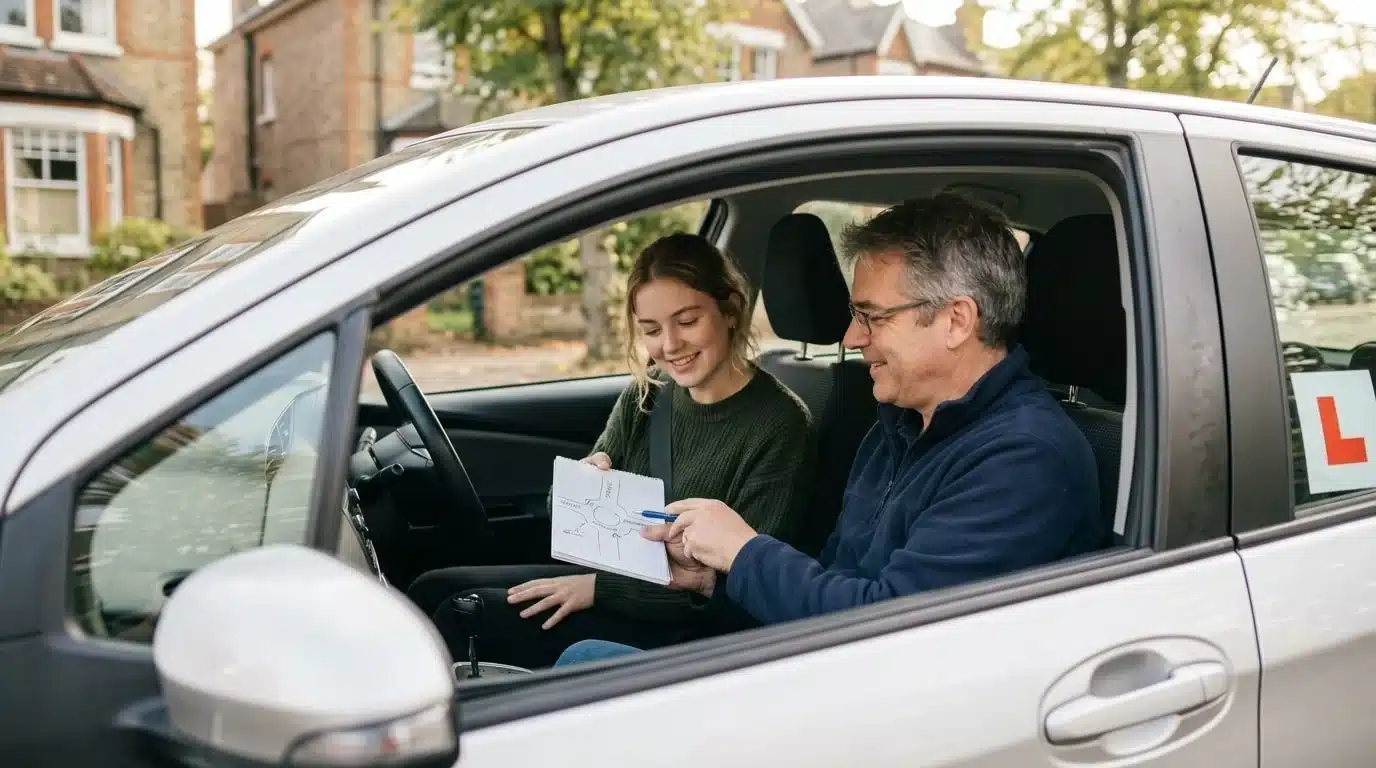
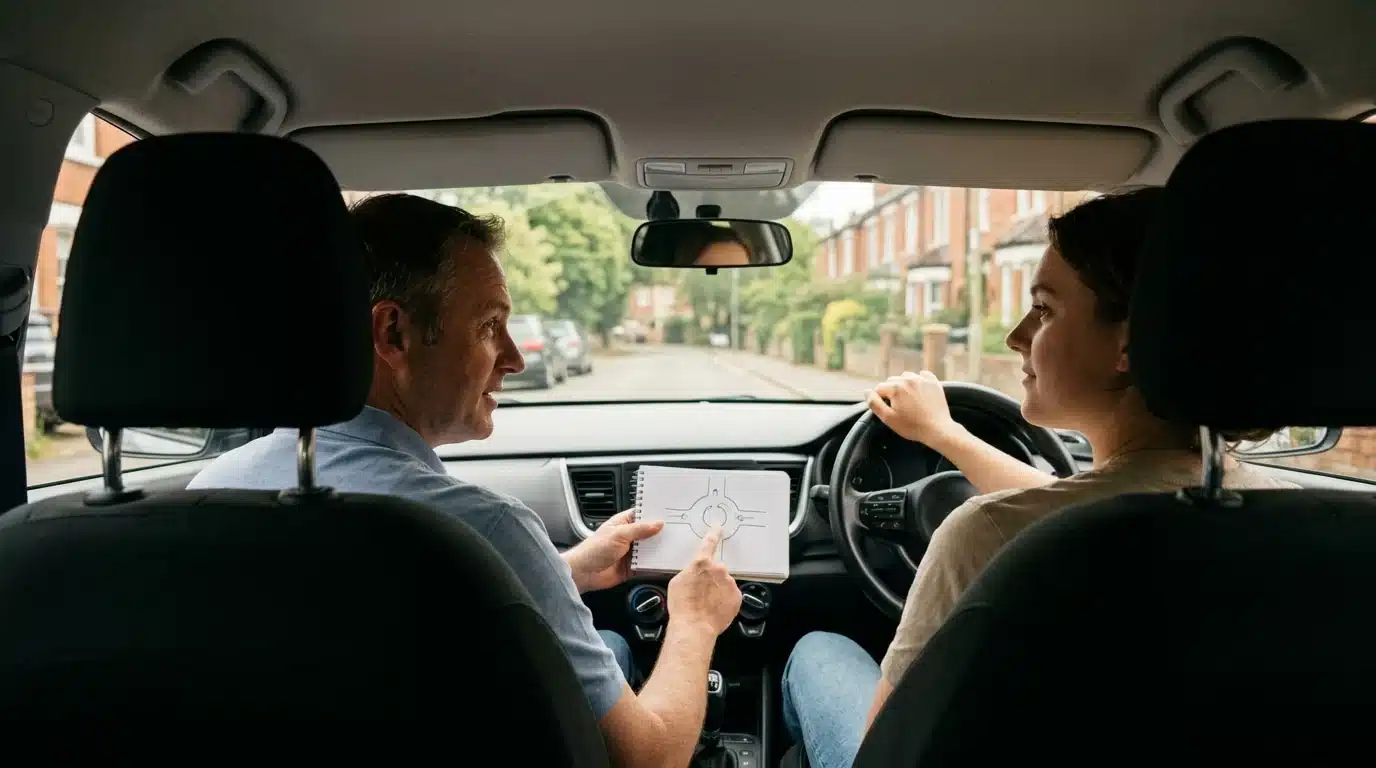
Your instructor is there to keep you safe and support you when other drivers make things harder.
✓
Dual controls mean they can step in if a situation becomes dangerous
✓
They will talk you through what is happening, so you can focus on driving
✓
They help you rebuild confidence after a stressful moment
✓
They teach you to anticipate the mistakes of other drivers
If You Feel Unsafe
🚨
If someone is driving dangerously or you feel threatened, call 999 when it is safe to do so
📞
To report poor driving after the event, contact the police on 101
📷
Note the time, place and registration if you can do so safely, and keep any dashcam footage
💖
If an incident has knocked your confidence, talk to your instructor. A calm lesson on familiar roads helps
Learner Drivers: Your Questions Answered
Do learner drivers have to display L plates?
Yes. Learners must display L plates on the front and rear of the car they are driving (L or D plates in Wales). Plates should be removed when the car is not being driven by a learner.
What should I do if another driver is impatient on my lesson?
Keep driving safely at your own pace, leave a bigger gap in front and let your instructor deal with anything else. You never have to speed up or rush a junction because of the driver behind.
Is it illegal to tailgate or harass a learner driver?
Driving too close or aggressively can be treated as careless or dangerous driving, whoever is in front. If you feel threatened, call 999 when it is safe to do so.
Should I use P plates after I pass?
P plates are optional in Great Britain. Many new drivers find they encourage other drivers to give them more space while they build confidence.
Learn with calm, supportive instructors
Our instructors help learners stay confident on busy Oxford roads, whatever other drivers are doing.
Sources: GOV.UK, learning to drive; Highway Code, rules 159 to 203 (including Rule 167 on when not to overtake). Last reviewed September 2026.